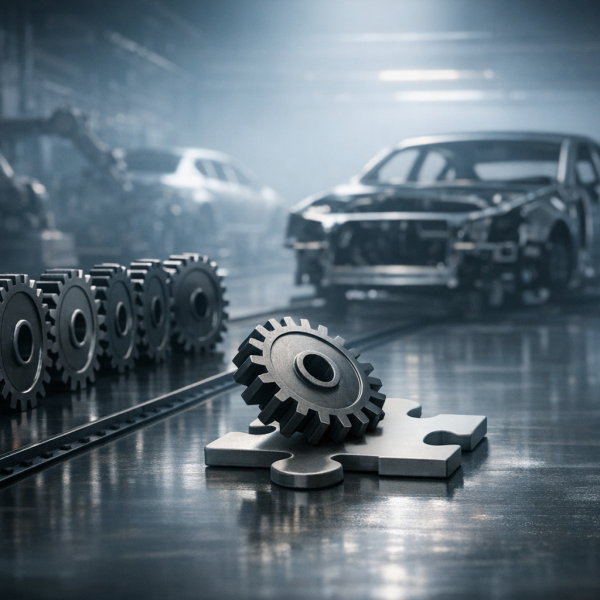
In the automotive industry, precision is everything. From CAD drawings to service manuals and software interfaces, every term carries specific technical, legal, and safety implications. A single mistranslated line in a manual or a wrongly labeled component can delay launches, trigger costly recalls, or even lead to safety hazards. That is why language quality is now as mission-critical as engineering quality for any automotive brand operating across borders.
1. Why Automotive Translation Is Far More Complex Than It Looks
Automotive content goes well beyond basic product descriptions. It includes engineering documentation, diagnostic tools, repair manuals, torque specifications, safety instructions, in-vehicle infotainment interfaces, warranty policies, and regulatory paperwork. Each of these content types requires expert handling, deep technical knowledge, and rigorous consistency in terminology.
This complexity means general language services are rarely enough. Manufacturers and suppliers need dedicated experts in automotive translations who understand how vehicle systems work, how global standards differ, and how to keep messaging aligned from R&D through after-sales support. Specialized translators and proofreaders are trained to anticipate what can go wrong if a term, symbol, or unit of measure is mishandled.
2. The Critical Role of Technical and Manufacturing Terminology
Automotive engineering documentation is full of highly specific terms: powertrain components, ADAS features, battery management systems, emissions controls, and complex electronic architectures. Misinterpreting these words is not just a linguistic error; it can alter processes on the factory floor or mislead technicians in the workshop. That is why manufacturers rely on structured terminology databases and glossaries, maintained by providers of technical translation services, to ensure that every component, process, and procedure is described consistently across languages and product lines.
3. Production Line Risks: How Translation Errors Turn into Downtime
On a production line, timing and coordination are critical. When assembly instructions, safety procedures, or quality checklists are mistranslated, entire lines can stop while teams clarify unclear content. For example, if an installation step is rendered ambiguously, workers may need to call engineers, pause the operation, or rework partially assembled units. Each minute of downtime is expensive, affecting not only direct labor costs but also supply-chain timing and contractual delivery commitments.
Beyond the immediate disruption, mistranslation can also create stock mismatches. Incorrect descriptions in material lists can lead to wrong parts being ordered or delivered. Once those parts reach the plant, the error surfaces only when assembly cannot proceed as planned. Correcting the mistake takes time and money, while production schedules slip. Properly localized documentation for every stakeholder in the chain is the best defense against these avoidable bottlenecks.
4. Safety, Compliance, and Legal Consequences
Automotive safety standards are tightly regulated worldwide, and compliance is non-negotiable. Safety labels, warnings, user manuals, recall notices, and homologation documents must all be accurate in every target market language. A mistranslated warning or omission of required language can lead to non-compliance with local regulations, product liability claims, and expensive legal disputes.
In fields like autonomous driving and advanced driver assistance systems, the wording of instructions and warnings becomes even more critical. If drivers misunderstand system limitations because of inaccurate translation, the risk of accidents and subsequent litigation grows significantly. Professional automotive language experts work with legal and regulatory teams to validate terminology and ensure documentation meets both engineering and legal standards across markets.
5. Impact on Dealers, Technicians, and After-Sales Service
The quality of translation directly affects how quickly and accurately dealers and service centers can diagnose issues and perform repairs. Workshop manuals, diagnostic software interfaces, and troubleshooting guides must be clear, consistent, and easily searchable. Misleading or inconsistent terminology can cause repeated repairs, higher warranty costs, and customer frustration when vehicles are not fixed right the first time.
Good translation practice includes harmonizing the language used in service manuals, training materials, and diagnostic tools. When technicians see the same term for the same component or process, they gain confidence and speed. This streamlined understanding translates into lower labor time per repair, fewer errors, and better overall service quality. In a market where customer satisfaction and brand loyalty depend heavily on after-sales experiences, precision in language is a real competitive advantage.
6. Software, HMI, and In-Vehicle Experience
Modern vehicles are software-driven products, packed with digital features ranging from infotainment systems and navigation to driver assistance and connectivity services. Every message displayed on the human-machine interface, every voice prompt, and every menu label shapes the driver’s perception of the brand. Poor localization can make features confusing, reduce adoption of advanced functions, and generate additional support requests.
Automotive localization now includes everything from touch-screen labels and status notifications to over-the-air update messages and mobile app integration. Each element must fit the display constraints, follow local language rules, and stay consistent with vehicle documentation and marketing materials. Expert automotive linguists and UX specialists work together to ensure that terminology, tone, and structure are intuitive for drivers in each region, avoiding misunderstandings that could impact safety or satisfaction.
String length is the constraint that trips teams up most often, since a label that fits in English may overflow the same field in German or Finnish. Agencies that list software translation as a distinct service, PoliLingua among them, usually work from resource files rather than screenshots, which is what makes length and variable handling visible before the build. Catching an overflow at that point costs a line edit, while catching it in a shipped instrument cluster costs an over-the-air update.
One wrong word in a technical specification can cause a recall, which is a useful reminder that language does practical work. Design has the same property. The newest coliving spaces succeed or fail on decisions about sound, light and circulation that are difficult to express in a listing.
7. Protecting Brand Reputation in Global Markets
Consumers often associate language quality with product quality. Clumsy translations in manuals, brochures, or digital interfaces can undermine trust, even when the vehicle itself is well engineered. In crowded markets where many brands offer similar features and price points, the clarity and professionalism of communication can be a deciding factor for buyers.
Consistent and accurate terminology also supports unified global branding. When model names, feature sets, and marketing messages are aligned across regions, customers receive a coherent experience from first advertisement to vehicle handover and long-term ownership. Investing in expert automotive language solutions not only reduces operational risk but also strengthens brand equity in every market.
8. Building a Robust Translation Workflow for Automotive Content
To manage the scale and complexity of multilingual automotive content, organizations need robust workflows that integrate seamlessly with their product development and manufacturing cycles. This typically involves translation management systems connected to authoring tools, terminology databases, and content approval processes. Translators, reviewers, engineers, and legal teams must collaborate using clear standards and version control.
Key practices include defining approved terminology early, creating detailed style guides, establishing review loops with subject matter experts, and continuously updating glossaries as new technologies and models are introduced. By embedding these steps into the product lifecycle instead of treating language as an afterthought, manufacturers dramatically reduce the risk of late-stage corrections and production delays.
Turning Language Accuracy into a Strategic Asset
Automotive manufacturers and suppliers cannot afford to treat translation as a minor task. It influences production continuity, safety compliance, after-sales performance, user experience, and brand reputation in every market. A systematic, expert-driven approach to language ensures that product information is as precise and reliable as the vehicles themselves.
By partnering with specialists who understand the specific demands of automotive content, businesses can protect their operations from avoidable errors, accelerate time to market, and build stronger relationships with customers, dealers, and regulators worldwide. In an industry built on exact engineering and tight coordination, language precision has become one of the most powerful tools for staying ahead.